
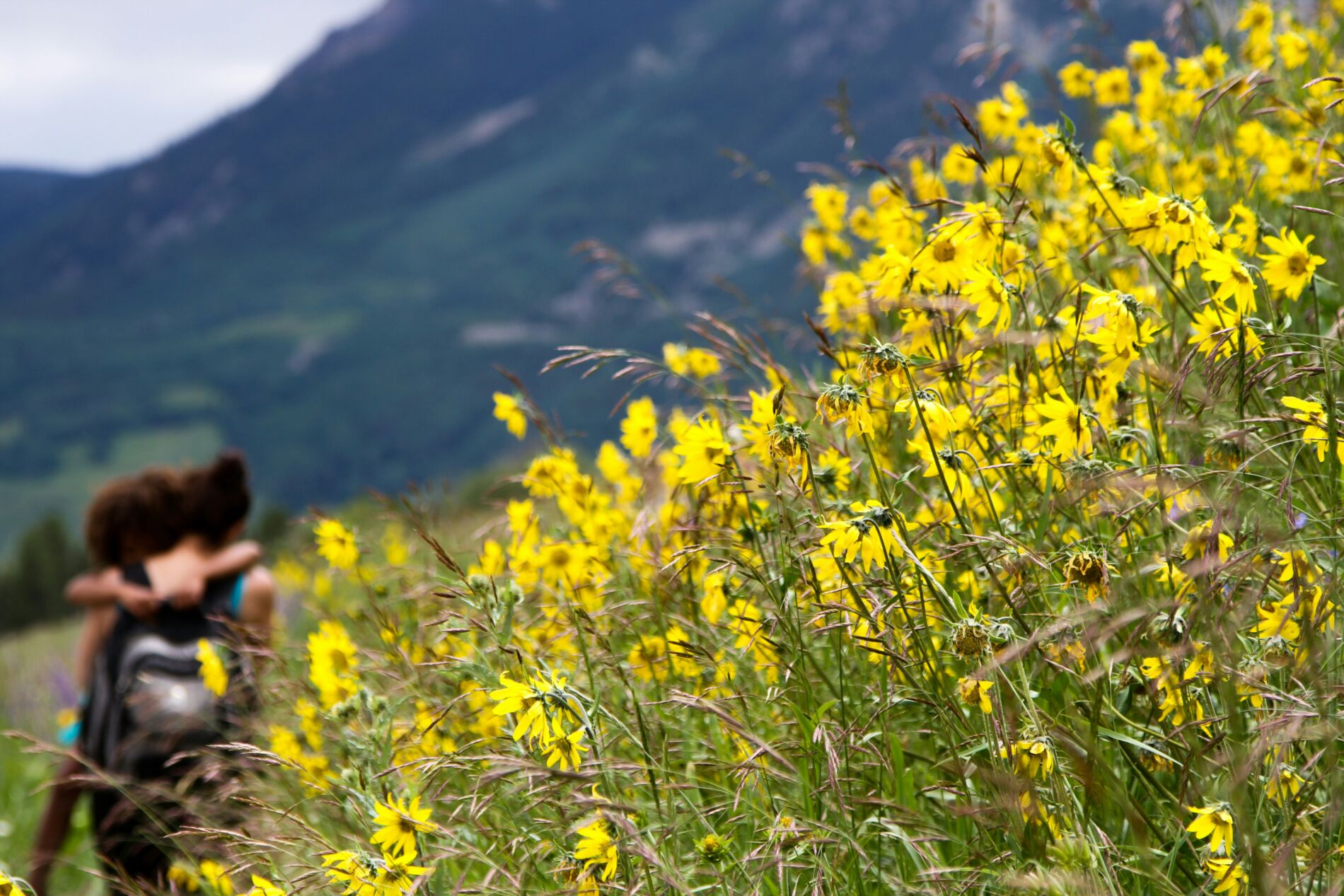
Resorts in mountainous regions are faced with the dual challenge of maintaining their tourism industry while curbing their impact on the environment. Human activities, along with projects to develop ski areas and build new tourism facilities and amenities, can end up degrading or polluting the soil. As such, phytoremediation represents an innovative and sustainable solution for harnessing the power of nature to restore mountain ecosystems.
Understanding soil phytoremediation
This eco-friendly approach to cleaning up contamination relies on the use of plants that are capable of absorbing, stabilising or transforming some of the pollutants in the soil. It is attracting growing interest among ski resorts, local authorities and manufacturers on the lookout for low-carbon solutions to restore natural environments based on the chemical structure of the soil.
Phytoremediation encompasses several techniques that leverage the biological capabilities of living plants and the associated organisms to eliminate or immobilise pollutants in the soil. Processes are based on the soil’s biological and chemical mechanisms, such as the ability to absorb pollutants through the roots, transform contaminants, and immobilise substances in the rhizosphere.
Several strategies are available:
- Phytoextraction, which involves absorbing metals and other metal elements in the plant tissues.
- Phytostabilisation, which lowers the mobility of pollutants in the soil.
- Phytodegradation, which is used for certain organic compounds.
Some plant species known as “hyperaccumulators” can absorb the metals in the soil at concentrations of up to 1% of their dry weight. This principle is especially effective for treating metal contaminants, such as nickel, zinc and cadmium. Plants absorb these elements and produce biomass (all the organic matter that may become energy sources), which can then be harvested and recovered in various metal recycling processes.
The ideal solution for mountain communities
Mountainous areas feature a specific set of environmental characteristics, such as their high altitude, steep slopes, rugged climate and fragile soil structure. These conditions often hamper the use of traditional decontamination methods, such as excavations or chemical-based processes.
Consequently, phytoremediation offers a number of upsides for mountain resorts:
- It preserves the soil structure
- It reduces the amount of heavy-duty works in sensitive areas
- It promotes efforts to restore the local biodiversity
Ski resorts in France attract close to 10 million visitors every winter, meaning that several facilities and amenities are required to accommodate such numbers, but this infrastructure can affect the soil and disrupt mountain ecosystems. Therefore, renaturing high-mountain pastures, pistes and old infrastructure sites is climbing swiftly up the priority list for local authorities and ski area operators.
Come along to the Mountain Planet show in Grenoble from 21 to 23 April 2026 and meet all the stakeholders in the mountain development industry :
Tangible projects across France and Europe
Several initiatives are already being spearheaded in mountainous regions to naturally remove pollution through the use of plants.
The French Alps are blazing a trail when it comes to restoring the soil in high-mountain environments
Various environmental rehabilitation operations are being carried out in the Alps with the aim of restoring the soil that has been affected by development work on the pistes and ski lifts. These programmes use combinations of local plants to stabilise the ground, reduce erosion and improve the soil’s biological regeneration.
These techniques draw on the organisms, roots, and plant biomass production to gradually recreate a functional ecosystem.
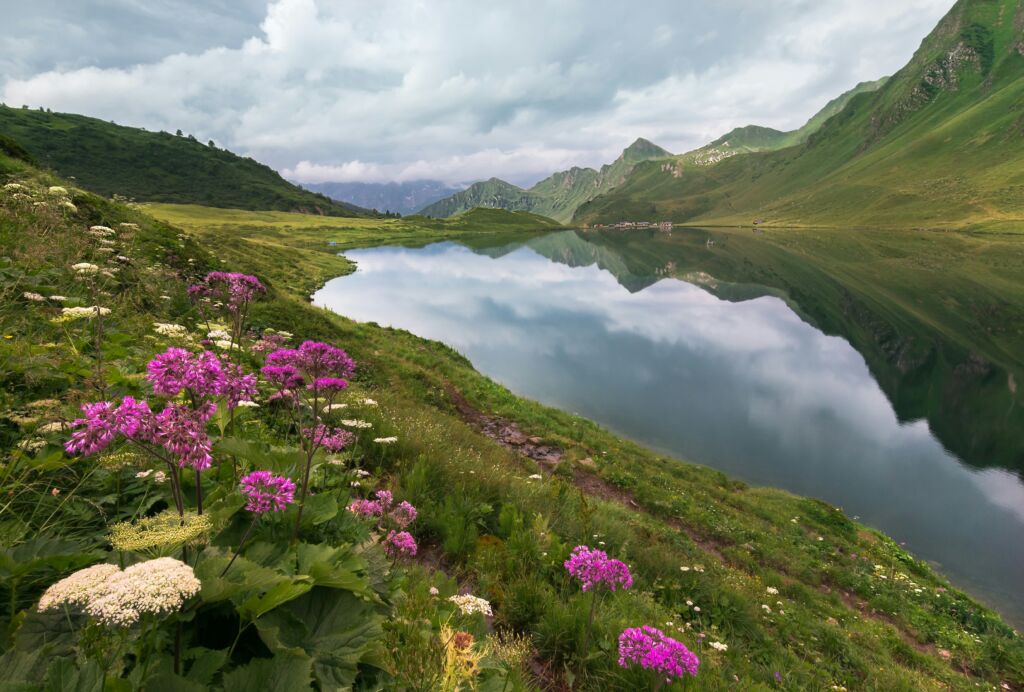
Scientific research at the Lautaret Alpine Garden in south-eastern France
@jan-huber
The Lautaret Alpine Garden has carved its reputation as a leading site for pioneering research into alpine ecosystems. This natural laboratory is home to over 2,000 mountain plant species, allowing researchers to study their interactions with the earth, especially through scientific programmes focusing on ecological restoration and the mechanisms enabling plants to adapt to extreme environments.
Researchers are examining the ability of some species to fix or extract elements in depleted or contaminated soil (metals, metal elements, etc.)
La dépollution par les plantes : un procédé écologique mais progressif
Plant-based decontamination takes time. Studies have estimated that phytoremediation projects may be spread over 2 to 20 years depending on the type of pollutants, the climate and the soil’s characteristics.
But the cost is highly competitive compared to conventional methods:
- €18 to €40 per sqm for phytoextraction
- €2 to €12 per sqm for certain phytostabilisation techniques
These relatively low costs explain why local authorities and operators are taking a greater interest in these nature-based solutions (source: Urban Vitaliz, November 2024).
A strategic driver for mountain resorts
With mountain resorts coming under growing pressure to step up their environmental commitments and adapt to climate change, soil restoration is clearly shaping up to be a strategic solution. French ski areas have already implemented a number of environmental programmes to scale down their impact and preserve natural environments, with a collective commitment to achieve net zero by 2037.
Discover the challenges of ecotourism and biodiversity protection in the mountains :
Phytoremediation can be incorporated into an overarching strategy for developing sustainable management practices in mountain resorts and communities:
- Restoration of soil contaminated by metals and metal elements
- Ecological management of brownfield and construction sites
- Improved biodiversity
- Enhanced landscaping in the resorts
Taking steps towards greater resilience in the mountains
Soil represents one of the planet’s richest ecosystems, where approximately 25% of animal and plant species live or spend part of their lifecycle.
That explains why preserving these ecosystems can play such an essential role in maintaining the environmental status quo in mountain resorts and communities. Through the combined action of plants, organisms in the soil and natural chemical processes, phytoremediation provides mountain resorts with an innovative solution for tackling their environmental challenges. It can transform degraded or contaminated soil into renatured areas, while recovering and recycling the extracted elements and the biomass produced.
These nature-based solutions offer mountain industry professionals a strategic opportunity for growing their tourism activities, while restoring ecosystems and developing innovative environmental solutions.
a lire également
Environment
12 November 2025
Sustainable management practices for mountain forests: promoting environmental protection and driving local economic performance
Sustainable forest management has a key role to play in shaping the future for mountain towns and communities. In an effort to address the challenges of global warming, soil erosion ...
Environment

18 March 2025
Zero waste in the mountains: on the path to a sustainable circular economy
As awareness continues to grow of the need to protect the environment in response to the effects of climate change, ski resorts and mountain communities are also stepping up to ...
Environment

17 September 2024
How Are Mountain Resorts Responding to Climate Change?
Mountain resorts didn’t wait for the Avenir Montagnes Plan to address climate change. They have always taken a proactive stance to preserve their environmental assets. They have strengthened their sustainable ...
